
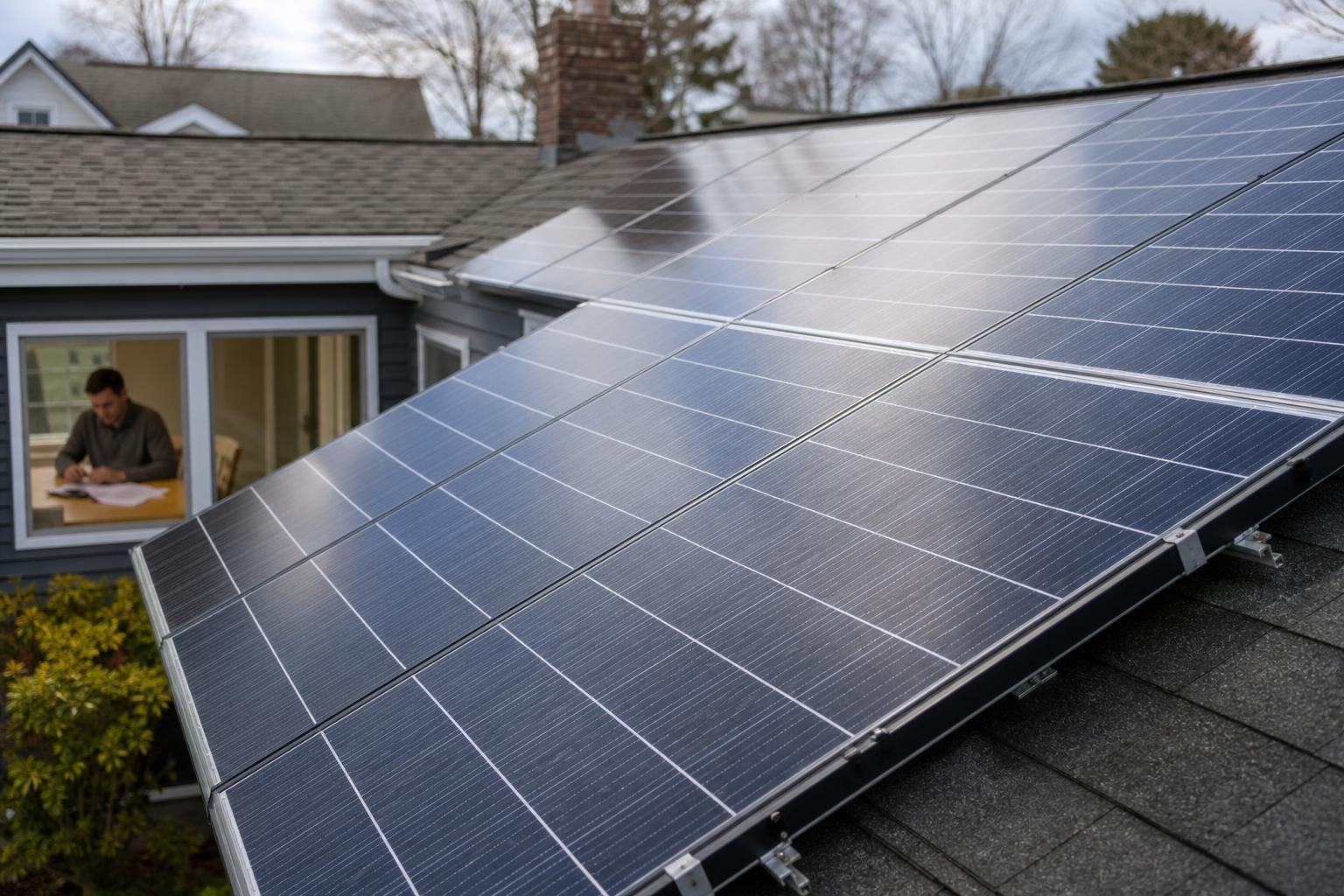
Solar Incentives in Brockton, MA
Solar incentives in Brockton can include federal tax benefits, Massachusetts tax treatment, and utility-bill considerations. The key is knowing which items are broadly available and which depend on ownership, utility rules, and eligibility.
Program details and eligibility should always be confirmed before you sign an agreement.
The Main Solar Incentives to Review First
For Brockton homeowners, the first incentives to review are usually the federal Residential Clean Energy Credit, the Massachusetts state personal income tax credit for solar energy systems, the Massachusetts solar equipment sales tax exemption, and the state property tax exemption for qualifying solar systems. Together, these are often more important than one-time promotional claims because they affect the true cost of ownership.
Federal and Massachusetts Tax Treatment
The federal Residential Clean Energy Credit is the national incentive most homeowners look at first. It generally applies to qualifying residential solar costs for systems you own, but eligibility and filing treatment should be confirmed based on your situation.
Massachusetts also stands out for state-level tax treatment. Research commonly points homeowners to the state personal income tax credit for solar, along with the sales tax exemption and a property tax exemption for qualifying systems. Those benefits are not the same as a guaranteed cash rebate, so proposals should explain them carefully rather than fold them into vague savings claims.
Utility Bill Credits and Net Metering
Beyond tax incentives, homeowners should review how their utility handles bill credits, net metering, or other compensation for excess solar generation. Those rules can affect the value of a system over time and may differ by utility territory and account setup.
That is why it helps to read the production estimate and utility assumptions in each quote, especially if one proposal promises stronger savings than another without explaining the difference.
What to Confirm Before You Sign
Incentives usually depend on system ownership, eligible costs, and proper documentation. A cash purchase, loan, lease, or other structure can change which benefits the homeowner may claim directly.
Before signing, ask each company to separate confirmed project costs from estimated incentive outcomes and to explain any assumptions built into the proposal.
A careful quote review can help you see whether incentive estimates, ownership structure, and utility-bill assumptions are being presented realistically before you move forward.
How Financing Structure Affects Incentives
Cash purchase
With a cash purchase, the homeowner typically keeps direct ownership of the system, which is often important when reviewing tax credits and long-term value.
Solar loan
Solar loans can spread out the upfront cost, but homeowners should still review who owns the system, how payments compare to expected savings, and how incentives are treated in the agreement.
Low-upfront structures
Low-upfront offers can be worth reviewing carefully because the structure may affect ownership, tax-credit eligibility, and how future home-sale or transfer questions are handled.
Battery considerations
If you are considering a battery, ask whether it changes eligible costs, utility program participation, or the overall economics of the system for your household goals.
What Documentation Should You Keep
Keep signed contracts, invoices, proof of payment, equipment details, and any utility or interconnection documents tied to your system. Good records make it easier to review tax forms, rebates, or billing questions later.
If a program or credit applies, ask what documentation the installer provides and what you are expected to retain yourself. Homeowners should also confirm tax-related filing requirements with a qualified tax professional.
Solar Incentive Questions in Brockton
What solar incentives should Brockton homeowners review first?+
Brockton homeowners usually start by reviewing the federal Residential Clean Energy Credit, the Massachusetts state personal income tax credit for solar, the state sales tax exemption, and the property tax exemption for qualifying systems.
Do solar incentives still apply if I finance the system?+
In many cases, financed systems can still qualify for tax incentives if you own the system, but leases and power purchase agreements are different. The ownership structure matters, so confirm how the proposal is set up.
Are net metering or bill credits the same for every homeowner?+
Not always. Utility bill credits and export compensation depend on the applicable utility rules and the details of your account, so they should be reviewed as part of the quote rather than assumed.
Will solar eliminate my entire electric bill?+
Usually not. Solar can reduce electricity costs significantly for some homes, but you may still see delivery charges, minimum charges, or seasonal usage differences depending on your system and utility billing structure.
What paperwork should I keep for solar incentives?+
Keep contracts, invoices, proof of payment, equipment information, and any utility approval records. Those documents can matter for tax filing, rebate support, and future service questions.
Ready to Compare Incentive-Aware Quotes?
Once you understand the main incentive categories, the next step is comparing proposals that show how ownership, tax treatment, and bill credits may affect your project.